

If you find yourself out of fresh or dried tarragon, try these tarragon substitutes! This replacement is exactly what you need then, and a flavorful way to enhance fish, eggs, and poultry! Ten options with exact ratios are below, starting with the three that taste closest.
This is a part of our culinary substitutions series on this site. Use a tarragon substitute to flavor dishes like this baked cod in foil and the best ceviche recipe (try it!). And be sure to also check out how to keep herbs fresh longer.
Quick Look
- 🕒 Prep Time: 1 minute
- 🌡️ Cook Time: None, just measure and swap
- ⏳ Total Time: 1 minute
- 🍽️ Yield: Replaces 1 tablespoon of fresh or dry tarragon
- ⚡ Calories: 1kcal
- 🌶️ Flavor Profile: Tarragon has a citrus and licorice flavor, so the swaps lean the same way
- ✋ Difficulty: Pick the herb, use the ratio, adjust to taste. See how many teaspoons in a tablespoon for all the ratios.
Quick Answer
Basil, aniseed and fennel make the best alternative to tarragon because they share its slightly licorice taste. Use 2 tablespoons fresh basil for 1 tablespoon fresh or dry tarragon, just a pinch of aniseed since it is very potent, or 1 tablespoon fresh fennel for 1 tablespoon fresh tarragon. For bearnaise sauce, simmer ½ teaspoon cinnamon with 1 tablespoon fresh parsley and ¼ cup of water.
Jump to:
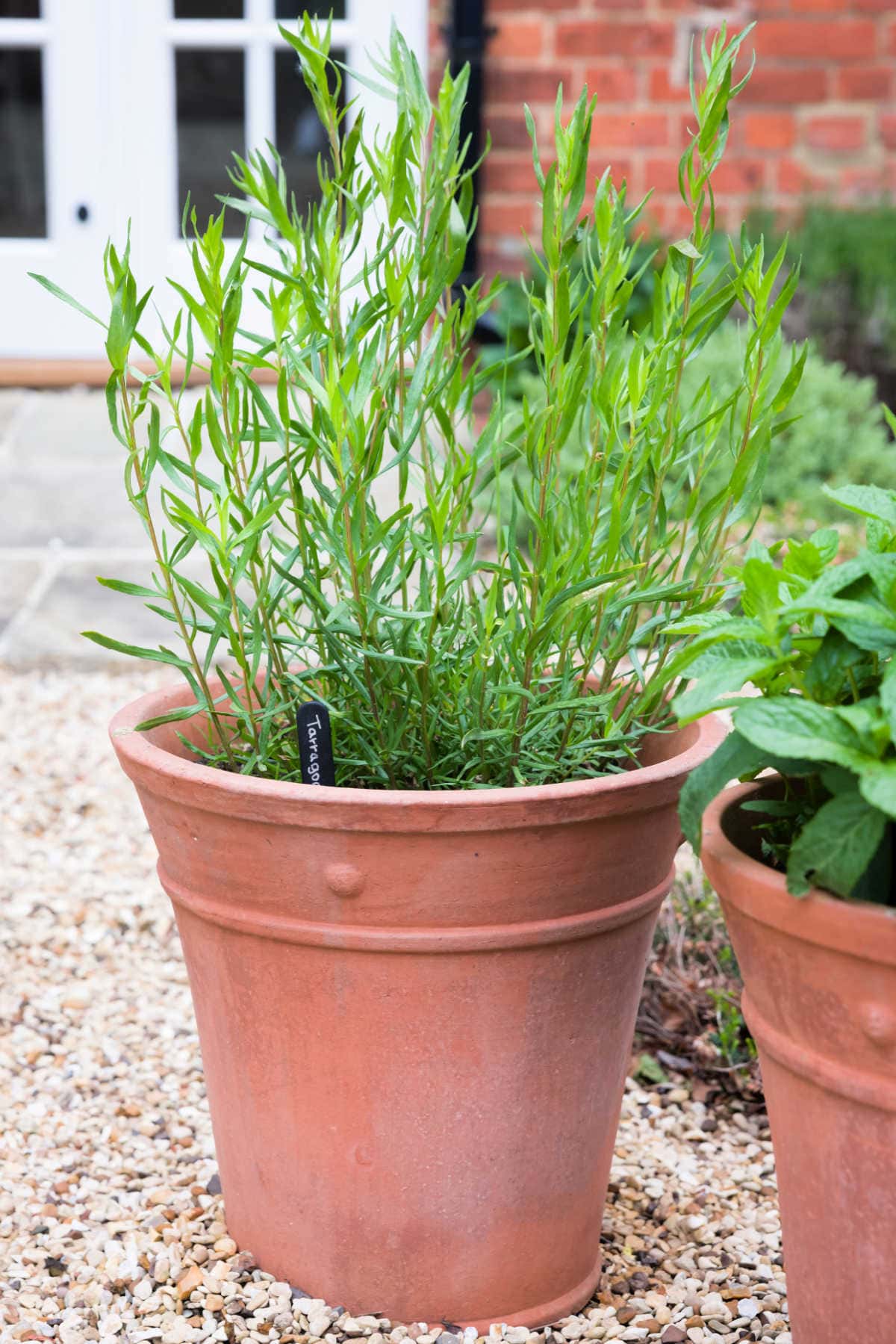
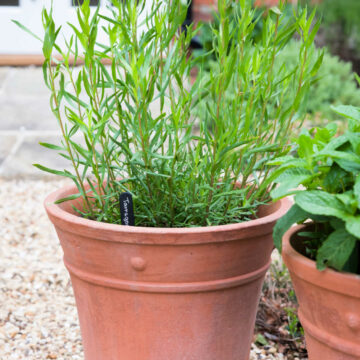
Tarragon (Artemisia dracunculus) is a tasty herb traditionally used to season poultry, eggs, and fish. The plant leaves also go by the name of dragon's wort from the French word for "little dragon." In culinary, it is a fine herb blend, along with parsley, chives, and chervil. In this article we cover tarragon substitutes and alternatives along with varieties, growing, planting, harvesting, and tarragon uses.
I've been there too, in a dilemma where I am in the middle of cooking and suddenly realize I am out of the herb or seasoning I need! Tarragon has a citrus and licorice flavor, so we want to swap it out for a similar taste.
Why These Substitutes Work
Click to see the flavor science
- Match the licorice note first. Basil, aniseed, and fennel give off a slightly licorice taste, just like French tarragon, which is why they are the closest swaps.
- Potency sets the ratio. Aniseed is very potent, so just a pinch replaces a tablespoon, while mild fresh basil needs 2 tablespoons for 1.
- The 1 to 3 rule. When converting fresh to dry herbs a good rule of thumb is 1 to 3: if a recipe calls for 3 teaspoons of fresh tarragon, use 1 teaspoon of dry tarragon. Also 3 teaspoons is equal to 1 tablespoon.
- Parsley plus cinnamon copies the flavor for bearnaise. The combination copies the flavors perfectly when simmered together in a little water.
- Fresh at the end tastes best. Fresh tarragon is best to add to recipes right before serving and tastes better than dried tarragon, and the same goes for the fresh substitutes.
- French beats Russian. French tarragon is the most flavorful type with citrus and licorice flavors; Russian tarragon leaves have little flavor or fragrance.
Why You'll Love This Guide
- Ten substitutes with ratios for both fresh and dry tarragon, so you can finish the recipe you already started.
- Pantry herbs you already have. Basil, oregano, thyme, rosemary and dill all make the list.
- A bearnaise-sauce fix that copies the flavors perfectly with parsley and cinnamon.
- Growing notes included so you never run out again, plus how to store fresh herbs.
- Part of a series. See the cinnamon substitute and paprika substitute guides next.
Best Substitutes for Tarragon
Here is what to use in place of fresh or dried tarragon. Basil, Aniseed, Fennel I think make the best alternative to tarragon, but you can use any one of these.
- Basil - use 2 tablespoons fresh basil for 1 tablespoon fresh or dry tarragon. It is the herb in my basil pesto pasta.
- Aniseed - aniseed is very potent, so just use a pinch for a fresh or dry tarragon substitute.
- Fennel fronds - use 1 tablespoon fresh fennel for 1 tablespoon fresh tarragon, ⅛ teaspoon of dry fennel for 1 tablespoon fresh or dry tarragon. Fennel also stars in my fennel apple salad.
The recipe card below has the basil swap as a printable, with all ten alternatives in the notes.
All 10 Tarragon Substitutes and Ratios
- 1. Basil - use 2 tablespoons fresh basil for 1 tablespoon fresh or dry tarragon.
- 2. Aniseed - aniseed is very potent, so just use a pinch for a fresh or dry tarragon substitute.
- 3. Fennel fronds - use 1 tablespoon fresh fennel for 1 tablespoon fresh tarragon, ⅛ teaspoon of dry fennel for 1 tablespoon fresh or dry tarragon.
- 4. Oregano - another great sub for tarragon is oregano. Swap out 1 tablespoon oregano for 1 tablespoon fresh or dry tarragon.
- 5. Marjoram - use 1 tablespoon marjoram fresh or 1 teaspoon dry for 1 tablespoon tarragon or 1 teaspoon dry tarragon.
- 6. Thyme - swap out 1 teaspoon thyme for 1 teaspoon tarragon.
- 7. Chervil - chervil is a great tarragon substitute! Use 1 tablespoon for 1 tablespoon fresh or dry tarragon. Adjust to taste.
- 8. Dill - adjust a recipe with 1 tablespoon fresh dill for 1 tablespoon fresh tarragon. Dill is the herb in my dill pesto cucumber noodle bowls.
- 9. Rosemary - use 1 teaspoon rosemary for 1 teaspoon tarragon, the way it seasons rosemary roasted potatoes.
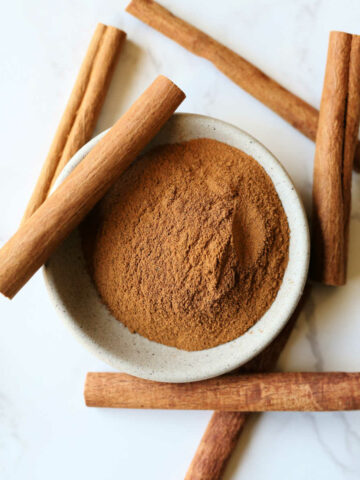
- 10. Parsley and Cinnamon - this is the ultimate best substitute for tarragon ever for bearnaise sauce! The combination of parsley and cinnamon copies the flavors perfectly. In a small saucepan over the stove, simmer together ½ teaspoon cinnamon with 1 tablespoon fresh parsley, and ¼ cup of water.
How to Substitute Tarragon
1Check whether the recipe calls for fresh or dry tarragon. When converting fresh to dry herbs and spices, remember the 1 to 3 rule: 3 teaspoons of fresh tarragon becomes 1 teaspoon of dry tarragon.
2Pick the substitute by the dish. Basil, aniseed or fennel for the closest flavor in eggs, poultry and fish; parsley and cinnamon for bearnaise sauce; oregano, thyme or rosemary for heartier roasted dishes.
3Measure with the ratio from the list above. Fresh basil is 2 for 1, aniseed is a pinch, most of the rest are 1 for 1.
4Add fresh herbs right before serving. Fresh tarragon is best added to recipes right before serving and tastes better than dried, and the fresh substitutes behave the same way. Adjust to taste.
See the recipe card below for the printable version.
Expert Tips
- Fresh to dry herb ratio. When converting fresh to dry herbs and spices for a recipe a good rule of thumb to remember is the 1 to 3 rule. So for example, if a recipe calls for 3 teaspoons of fresh tarragon, then use 1 teaspoon of dry tarragon.
- Hint: 1 to 3 rule, unless stated otherwise as some herbs are more potent than others.
- Measuring. See my teaspoon to tablespoon conversion guide here for more on how to measure, and how many ounces in a cup for scaling a recipe up.
- Keep herbs fresh longer. Harvested or store-bought, store fresh herbs the right way so the next recipe does not need a substitute at all.
- Where tarragon shines. Poultry, eggs and fish, like this sheet pan chicken and vegetables or a creamy sauce for scallops.
Tarragon Varieties, Growing and Pairing
- French Tarragon (Artemisia dracunculus "Sativa") - most flavorful type of tarragon with citrus and licorice flavors. The plant does not produce seeds.
- Russian Tarragon (A. dracunculoides) - is also known as false tarragon. It sometimes produces seeds and the leaves have little flavor or fragrance.
Tarragon is an herb once used for snakebites, and not a beloved herb used in the kitchen. The herb prefers sunny locations with six to eight hours of direct sun daily, and can survive partial shade. Plant it in nutrient-rich, sandy, well-drained soil.
If you want to grow your own tarragon for culinary use, choose French tarragon. It has more flavor than the Russian variety. Start by growing from a seed or plant in 2-inch deep soil in a container or small pot.

Around late summer, transfer French tarragon into the garden so it can become rooted before winter arrives. In the fall, cut back plants and cover with a 4 to 6 inch layer of organic mulch for winter protection. Harvest the stem and leaves of tarragon about 4 weeks after planting it outside and use it in your favorite recipes or dry it out to save. Fresh tarragon is best to add to recipes right before serving and tastes better than dried tarragon.
These are a few of my favorite dishes to use tarragon: sheet pan chicken and vegetables, the best ceviche recipe, creamy Tuscan scallops and spinach and egg baked phyllo cups. Looking for other articles like this? Check out our cinnamon substitutes.
Tarragon Substitute FAQs
When looking for a tarragon substitute that is closest to the same taste, stick with basil, aniseed, and fennel. These herbs give off a slightly licorice taste, just like French tarragon. They are perfect herbs for seasoning eggs, poultry, and fish as a tarragon alternative.
Oregano is a famous herb and one of the most common herbs used in cooking. Italians and Mediterranean love to cook with this herb. It has a slightly peppery flavor and makes a great substitute for tarragon.
Tarragon has a citrus and licorice flavor. French tarragon is the most flavorful type; Russian tarragon, also known as false tarragon, has leaves with little flavor or fragrance.
Yes, using the 1 to 3 rule: if a recipe calls for 3 teaspoons of fresh tarragon, use 1 teaspoon of dry tarragon. Fresh tarragon is best added right before serving and tastes better than dried.
Yes. Use 1 tablespoon fresh dill for 1 tablespoon fresh tarragon. Dill does not have the licorice note, so basil, aniseed or fennel are closer in flavor when you have them.
Tarragon is traditionally used to season poultry, eggs, and fish, and it is part of the fine herb blend along with parsley, chives, and chervil. It is also the classic herb in bearnaise sauce.

Tarragon Substitute
Would you like to save this?
Plus get latest recipes and emails.
Ingredients
- 2 tablespoon fresh basil see notes below for more

Instructions
- Use 2 tablespoons of fresh basil for for 1 tablespoon fresh or dry tarragon.
Notes
- Basil - 2 tablespoons for 1 tablespoon fresh or dry tarragon
- Aniseed - aniseed is very potent, so just use a pinch for fresh or dry tarragon
- Fennel - 1 tablespoon fresh for 1 tablespoon fresh tarragon, ⅛ teaspoon of dry fennel for 1 tablespoon fresh or dry tarragon
- Oregano - 1 tablespoon for 1 tablespoon fresh or dry tarragon
- Marjoram - 1 tablespoon for 1 tablespoon
- Thyme - 1 teaspoon for 1 teaspoon
- Chervil - 1 tablespoon for 1 tablespoon fresh or dry
- Dill - 1 tablespoon fresh for 1 tablespoon tarragon
- Rosemary - 1 teaspoon rosemary for 1 teaspoon tarragon
- Parsley and Cinnamon - This is the ultimate best substitute for tarragon ever for bearnaise sauce! The combination of parsley and cinnamon copies the flavors perfectly. In a small saucepan over the stove, simmer together ½ teaspoon cinnamon with 1 tablespoon fresh parsley, and ¼ cup of water.


Leave a Reply