

Get the best almond flour substitution when a recipe calls for it and you are out! Almond meal or almond flour is interchangeably used in gluten-free baking and makes a great substitute alternative with other flours.
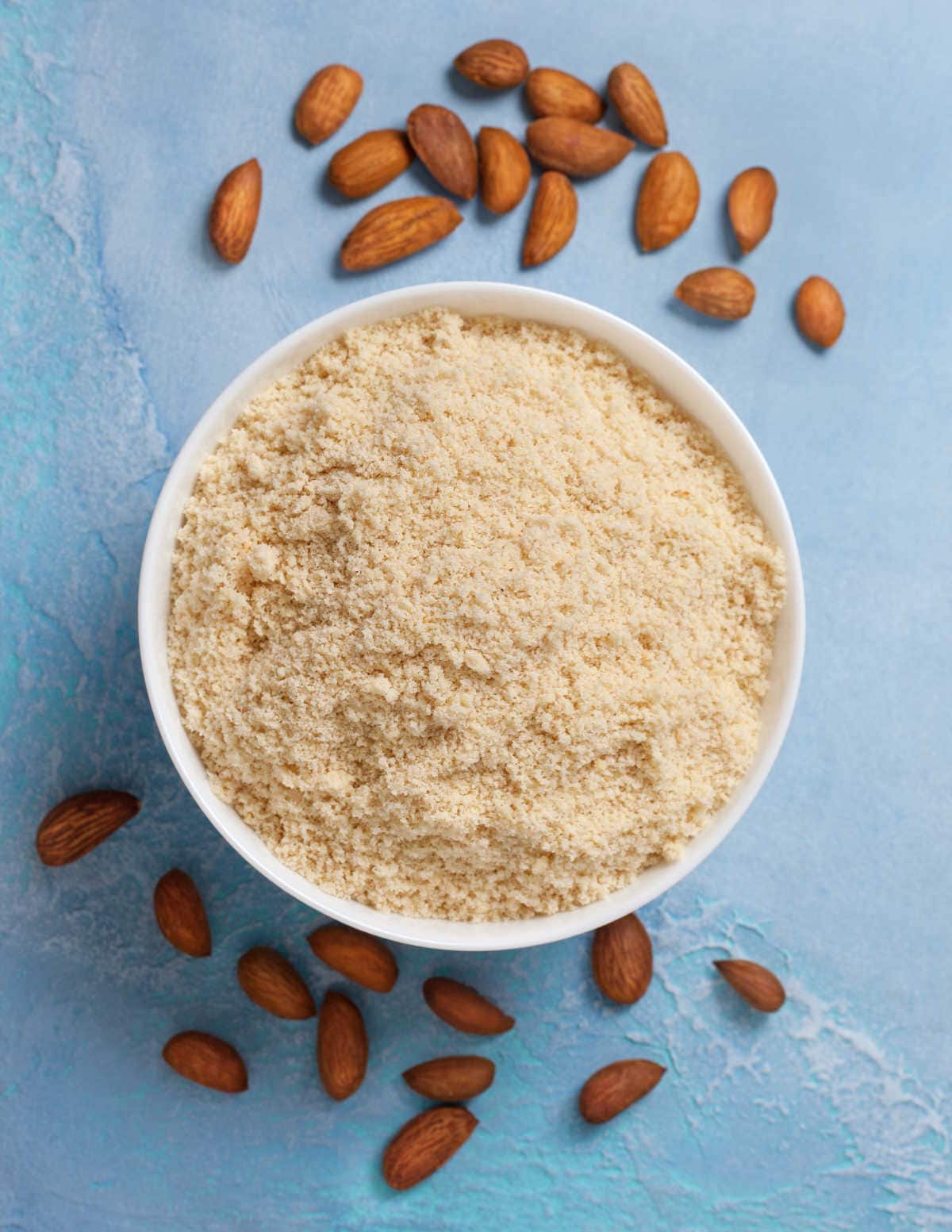
Reasons to find an almond flour substitution may be because you ran out of almond flour, have a nut allergy, or want to create a baked good that is gluten-free. We've done the testing to easily provide this list, the same way we cover substitutes for potato starch, oat flour substitutes and gluten-free flours.
Quick Look
- 🔎 The Question: What can replace almond flour?
- ✅ The Short Answer: 9 tested alternatives, another nut flour first
- 🌰 1:1 Swaps: sunflower seed, cashew, pecan, macadamia and cassava flour
- ⚖️ The Odd Ratio: gluten-free flour blend at 1:2 (half as much)
- 🥥 Needs a Partner: coconut flour, paired with tapioca flour and extra liquid
- 🍚 Nut-Free Picks: sunflower seed, oat, cassava, flaxseed and gluten-free blends
- ✋ DIY Rule: grind nuts or seeds to a fine powder, stop before it turns to butter.
Quick Answer
Another nut flour is the best almond flour substitution: sunflower seed flour, cashew flour, pecan flour and macadamia nut flour all swap 1:1. Cassava flour also works 1:1, oat flour bakes lighter and fluffier, flaxseed flour behaves like almond meal, coconut flour needs to be paired half-and-half with tapioca flour plus extra egg or liquid, and a gluten-free flour blend swaps at a 1:2 ratio (1 cup of blend for every 2 cups of almond flour).
Jump to:
Almonds (the almond or sweet almonds, Prunus) is a popular nut known for its source of essential nutrients. It contains fatty acids, lipids, amino acids, proteins, carbohydrates, vitamins and minerals that support a healthy diet [source]. They have a high fat content and are beautiful turned into almond meal, almond flour, almond milk, and almond butter.
Almond flour is not a flour, but actually ground almonds broken down until it forms a powder or "flour" consistency. Please note that almond flour has a different consistency from other flours and does not perform well in a 1:1 ratio in most recipes, therefore it may need a binding agent such as tapioca starch, coconut flour, or egg.
Almond flour (or meal - depending on how the nut is processed) makes a wonderful substitution for grain flours in baking. This flour is high in fat so many people use an almond flour alternative in keto diets along with coconut flour. And we love to use this flour to make almond flour cookies and also in many of the recipes in my Dairy-Free Gluten-Free Baking Cookbook!
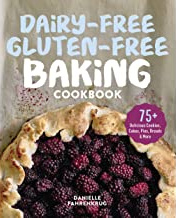
Check out the book today. Click here!
Why Trust These Substitutions
Click to see the technique science
- Nut flour first. Nut flours have more oil and absorb other ingredients differently than non nut flours, so another nut flour gives the closest turnout.
- Every swap is tested in gluten-free and dairy-free baking, the same testing behind the Dairy-Free Gluten-Free Baking Cookbook.
- Ratios matter more than brands. Most swaps are 1:1, but a gluten-free flour blend runs 1:2 and coconut flour needs a partner flour.
- Almond flour is just ground almonds, so anything ground to the same fine, fatty powder behaves the closest.
- Binding agents save the bake. Tapioca starch, coconut flour or an extra egg cover the texture gap when a swap absorbs differently.
Why You'll Love This Guide
- 9 tested alternatives with the exact ratio for each.
- Nut-free options for allergies and AIP diets, led by sunflower seed flour.
- DIY instructions for grinding your own flours in a food processor or coffee grinder.
- Keto and grain-free friendly picks like cassava and coconut flour.
- Companion guides for the whole pantry: how to make rice flour and how to make oat flour.
Almond Flour vs. Almond Meal
Wondering the difference between almond flour vs almond meal? Almond meal is ground almonds with the skins on. Almond flour is ground almonds without the skins. The two are usually interchangeable in baking and provide a slight almond flavor.
To make your own almond flour, use a food processor or coffee grinder and grind or blend blanched almond slivers until it forms a fine powder. Be careful not to overblend as it can turn into almond butter.

The 9 Best Almond Flour Substitutes
When using an alternative to almond flour, we highly suggest using another nut flour first. Nut flours have more oil and absorb other ingredients differently than non nut flours, so the turnout will not be the same simply swapping out almond flour with just coconut flour (for example).
1. Sunflower seed flour
Looking for nut flour alternatives? Sunflowers are a wonderful almond flour substitution, especially for AIP diets or a nut allergy. Sunflower seed flour can be found online or make your own using sunflower seeds that are unsalted. Add them to a coffee grinder or food processor and blend until it forms a flour, but don't overblend or you'll have sunflower seed butter! Use a 1:1 ratio to almond flour.
2. Cashew flour
Cashews can be turned into flour by adding unsalted and raw ones to a coffee grinder or food processor until it forms a light flour. You can also find cashew flour here. Use in a 1:1 ratio for almond flour.
3. Pecan flour
Pecan flour makes a wonderful substitute for almond flour and can be found online. Use in a 1:1 ratio for almond flour.
4. Macadamia nut flour
Macadamia nut flour can be made at home by also grinding the shelled nuts in a food processor or coffee grinder. Use unsalted and unflavored macadamia nuts. These nuts work in a 1:1 ratio to almond flour.
5. Oat flour
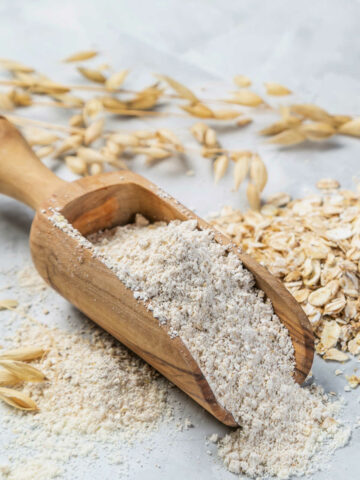
It is safe to buy oats and blend them in a food processor and turn them into oat flour. For gluten intolerance, make sure the oats are "certified gluten-free". Oat flour is slightly lighter than almond flour and makes baked goods light and fluffy, like my healthy baked donuts.
6. Cassava flour
Cassava flour is a wonderful almond flour substitution and is also a grain-free flour made from the Yucca root. It can be found online and works beautifully in baking to replace almond flour. Cassava flour can be used in a 1:1 ratio to almond flour.
7. Flaxseed flour or linseed
Flaxseed flour, also known as linseed, is a wonderful alternative for almond flour. It has a nutty flavor and is also higher in fat. In my experience with flaxseed flour it bakes similar to almond meal where it does not swap well for a gluten-free flour as it may take less liquid like almond meal does. Make it at home using flaxseeds and grind it in a coffee grinder or food processor until it becomes a flour.
8. Coconut flour with tapioca flour
Coconut flour absorbs a lot of liquid and therefore works best with another flour in baking. Commonly, coconut flour is found in recipes combined with almond flour. Use half coconut flour and another flour such as tapioca flour and/or the recipe may need extra egg or liquid for quality texture when substituting for almond flour.
9. Gluten-free flour blend
The rule of thumb for gluten-free flour substitution for almond flour is a 1:2 ratio. For instance, if the recipe calls for 2 cups almond flour, you'll need about 1 cup of a gluten-free flour blend. This may take some testing as gluten-free flour blend consistencies vary by brand.
Grinding your own nut or seed flour
1Add unsalted, unflavored nuts or seeds (or blanched almond slivers for almond flour) to a food processor or coffee grinder.
2Grind or blend until it forms a fine, light flour consistency.
3Stop before it overblends: a few pulses too many and nut flour turns into nut butter.
How to Choose the Right Substitute
- Closest match: another nut flour (cashew, pecan, macadamia) at 1:1.
- Nut allergy or AIP: sunflower seed flour at 1:1.
- Grain-free and paleo: cassava flour at 1:1.
- Light and fluffy bakes: oat flour, certified gluten-free for intolerance.
- Keto: coconut flour paired half-and-half with tapioca flour plus extra egg or liquid.
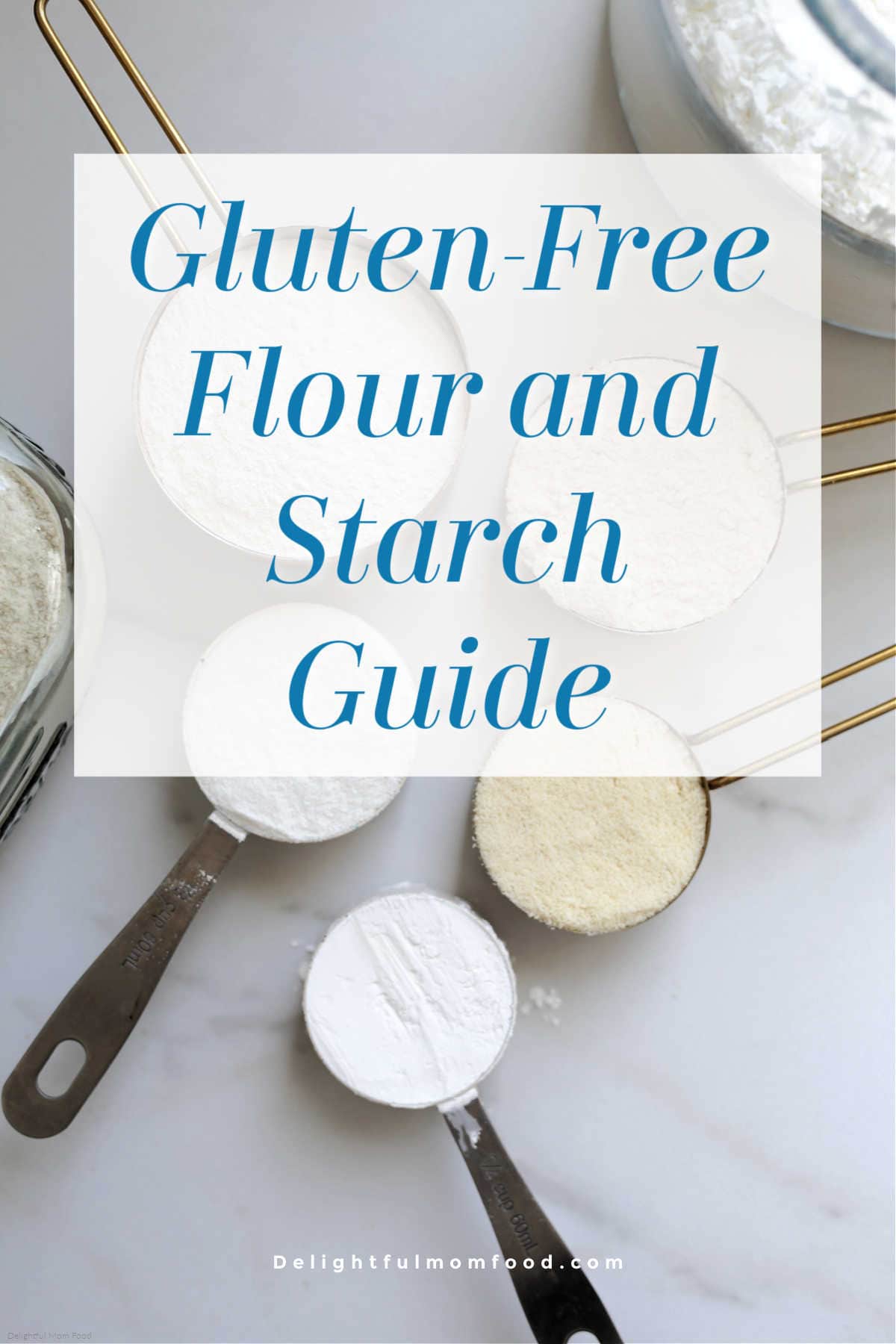
- Pantry staple: a gluten-free flour blend at a 1:2 ratio, like the blends in my gluten-free flour alternatives guide.
Expert Tips
- Do not overblend when grinding your own nut or seed flour, or you will end up with nut butter instead of flour.
- Use blanched almond slivers for homemade almond flour; skins-on almonds make almond meal.
- Plan for a binder. Almond flour does not perform well in a 1:1 ratio in most recipes, so a swap may need tapioca starch, coconut flour, or egg to bind.
- Unsalted nuts and seeds only for DIY flours, so the bake's seasoning stays in your control.
- Test the blend ratio. Gluten-free flour blend consistencies vary by brand; start at 1:2 and adjust.
- Spice pantry short too? The paprika substitutions guide covers that shelf.
Recipes to Use These Flours In
Put the swaps to work in almond flour cookies, gluten-free almond butter cookies, healthy sunbutter cookies, or a batch of 5 minute protein energy bites. Almond flour and its substitutes shine in cookies, quick breads and anything from the gluten-free baking shelf.
Almond Flour Substitution FAQs
Almond meal is ground almonds with the skins on. Almond flour is ground almonds without the skins. The two are usually interchangeable in baking and provide a slight almond flavor.
Almond flour is not a true flour, but actually ground almonds broken down until it forms a powder or "flour" consistency. Because of that it has a different consistency from grain flours and often needs a binding agent such as tapioca starch, coconut flour, or egg.
Sunflower seed flour, especially for AIP diets or a nut allergy. It swaps 1:1, and you can grind your own from unsalted sunflower seeds in a coffee grinder or food processor.
Not on its own. Coconut flour absorbs a lot of liquid, so use half coconut flour with another flour such as tapioca flour, and the recipe may need extra egg or liquid for quality texture.
Use a 1:2 ratio: if the recipe calls for 2 cups almond flour, you'll need about 1 cup of a gluten-free flour blend. Consistencies vary by brand, so it may take some testing.
Grind or blend blanched almond slivers in a food processor or coffee grinder until it forms a fine powder. Be careful not to overblend as it can turn into almond butter.






Leave a Reply