
How to turn apples to cider to vinegar! How to make apple cider vinegar (ACV) from scratch in a few easy fermentation steps with water, fresh apples, and maple syrup. Let it set and have fresh ACV to naturally cleanse your body and house. Use it for drinking, cleaning, healing, and in recipes!
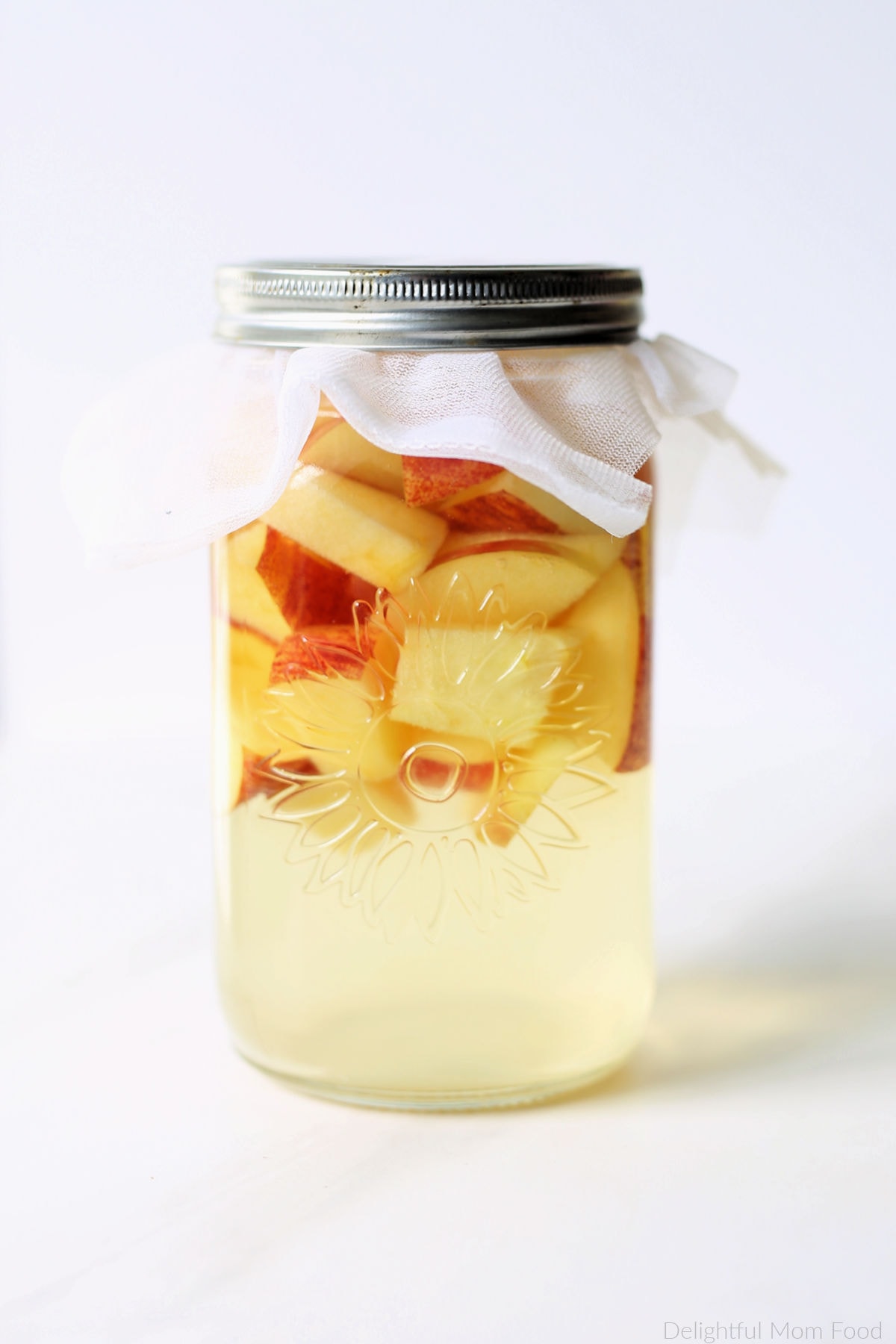
Homemade apple cider vinegar is a wonderful way to use up apples and apple scraps. Raw, organic apple cider vinegar (also called ACV) is one of the most highly talked about natural remedies in homeopathic medicine. Especially when you combine it with honey you get all the benefits of apple cider vinegar and honey in one!
Quick Look
- 🕒 Prep Time: 10 minutes of hands-on work
- ⏳ Total Time: 6 to 10 weeks of fermenting (3-4 weeks with the apples, 3-4 weeks after straining)
- 🍽️ Makes: 48 tablespoons, about 3 cups
- ⚡ Calories: 4kcal per tablespoon
- 🥣 Ingredients: 3 (organic sweet apples, maple syrup or honey, filtered water)
- 🧰 Equipment: a wide mouth 32 ounce mason jar, cheesecloth or mesh netting, a rubber band or jar ring
- ✋ Difficulty: Stir it once or twice a day and keep the apples under the water. That is the whole job.
Quick Answer
Add 2 cups of chopped organic apples or apple scraps to a wide mouth jar, fill with 3 cups of filtered water leaving room to stir, and mix in 1 tablespoon of maple syrup or honey. Cover with cheesecloth held on with a rubber band so air flows in but bugs stay out, then set the jar in a warm, dark place for 3 to 4 weeks, stirring once or twice a day and keeping the apples fully submerged. Strain out the apples, cover again and let the liquid sit another 3 to 4 weeks, which is the stage it turns to vinegar. Taste it, and when it is strong enough store it in a glass container.
Jump to:
- Quick Look
- Quick Answer
- Why This Method Works
- Why You'll Love This Recipe
- Key Ingredients and Supplies
- Fermentation: Apples to Apple Cider to Vinegar
- How to Make Apple Cider Vinegar from Scratch
- Expert Tips
- Benefits and Uses of ACV with the Mother
- Apple Cider Vinegar FAQs
- More Apple Cider Vinegar Recipes
- How To Make Apple Cider Vinegar (ACV)
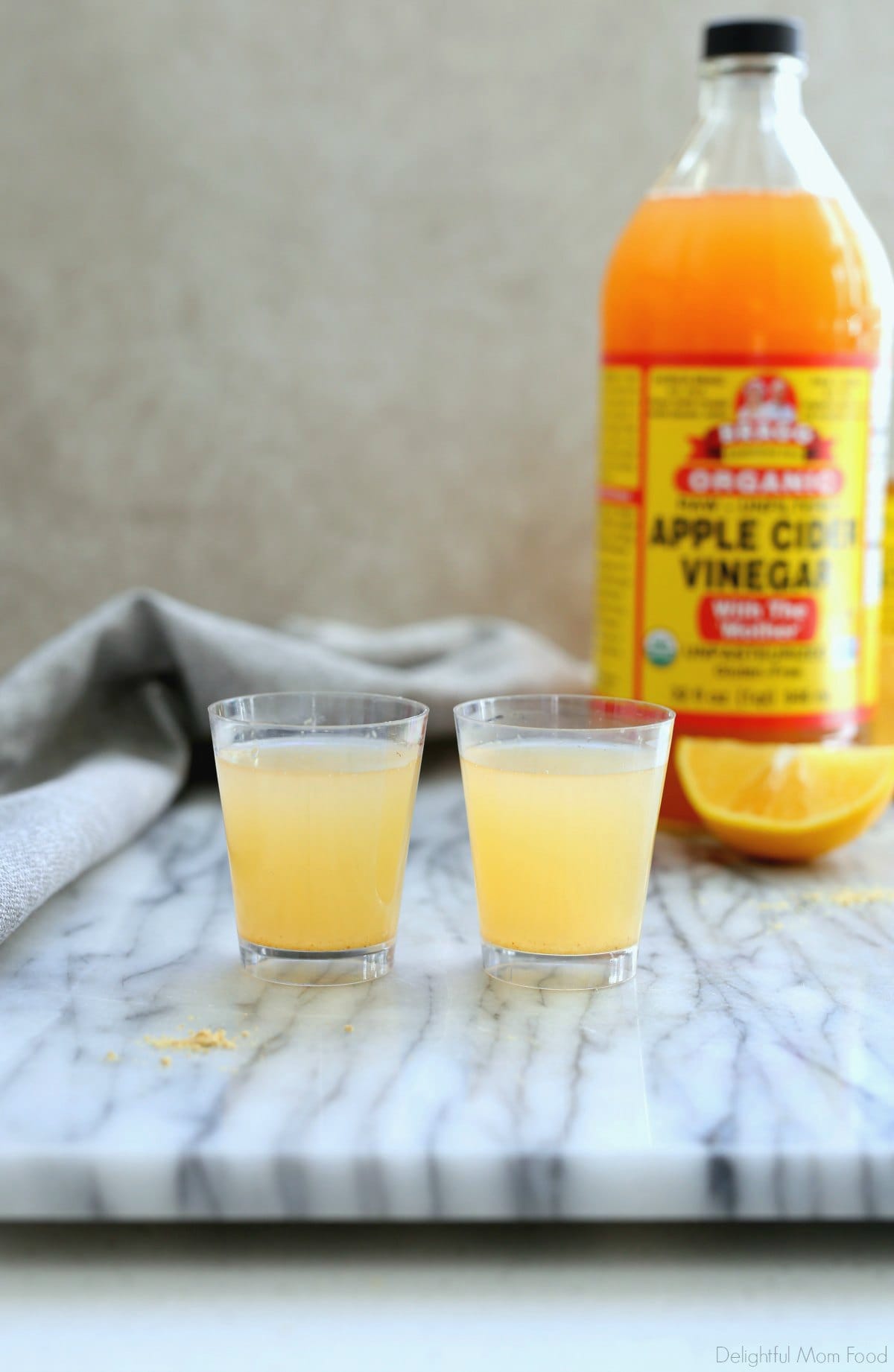
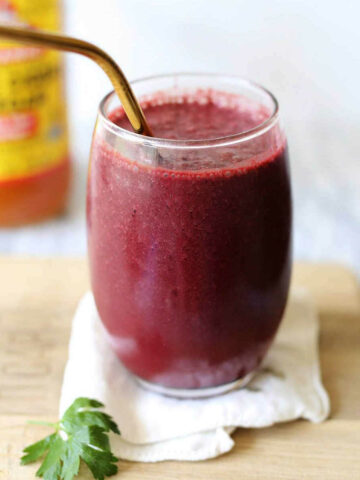
It can help with weight loss, an upset stomach, cough, to soothe dry and chapped skin, and is great for cleaning surfaces. And it is incredibly simple to make at home with a few basic ingredients you probably already have on hand! Be sure when you make ACV to use it in this apple cider vinegar drink, cranberry juice detox water, ACV shots, and apple cider vinegar smoothie recipes!
Homemade ACV is a wonderful way to use organic apples when you have too many apples or extra scraps from making crisps and pies. The combination of apples with a sugar (like how to make apple cider) sits out and the sugar ferments in a two-step fermentation process and turns from apple cider to vinegar. [source]
Why This Method Works
Click to see the fermentation science
- It ferments in two stages. First the sugar in the apples is broken down turning it into hard cider, or alcoholic cider. Then the apples are strained and the second fermentation happens, where the alcohol turns into vinegar.
- The sugar feeds the first stage. A tablespoon of maple syrup or honey gives the wild yeast something to work on beyond what the apples bring.
- Cheesecloth, not a lid. Air has to flow in for fermentation, while the mesh keeps debris and bugs out.
- Submerged apples do not mold. They float, so stirring once or twice a day pushes them back under, which is the single thing that decides whether a batch works.
- The cloudiness is the point. When organic apple cider vinegar is unpasteurized it contains the mother, which is what makes it have a cloudy appearance. The mother is completely harmless and contains healthy living nutrients and bacteria.
- Organic apples only. We don't want those pesticides in our liquid, so make sure to use organic apples.
Why You'll Love This Recipe
- Three ingredients and a jar you already own.
- Uses up apple scraps, cores and all, from pies and crisps.
- Raw and unpasteurized, so it keeps the mother that store shelves charge extra for.
- Cleans the house too, not just the body.
- Pairs with the drinks you already make, like chia water.
- Feeds every ACV recipe here, from ACV shots to the whole detox drink lineup.
Key Ingredients and Supplies
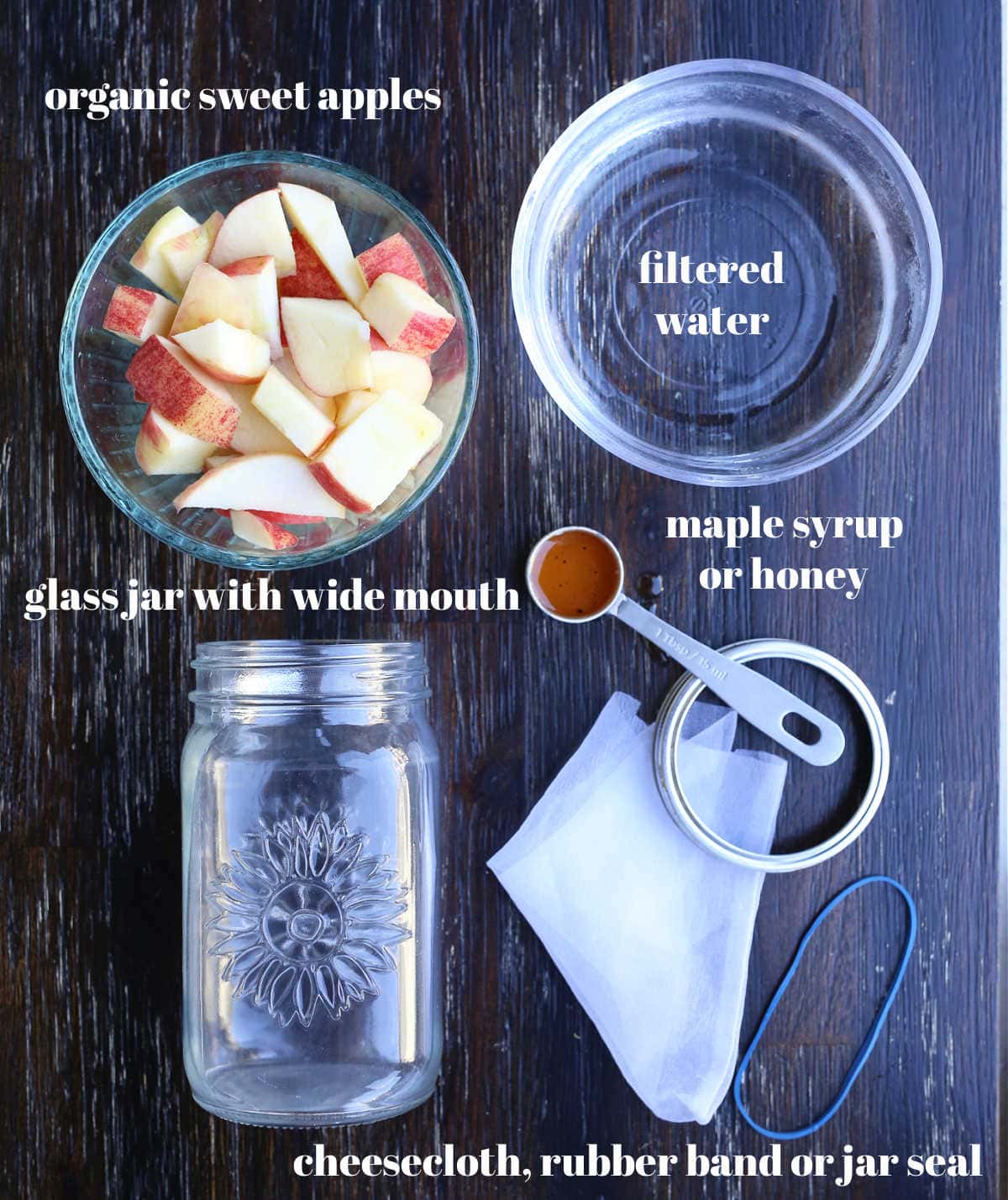
- Supplies: To make ACV you need a large jar with a wide mouth (such as a 32 ounce mason jar or larger), mesh netting or piece of cheese cloth to prevent debris and bugs from falling in as it sets, rubber band or mason jar ring to hold a mesh netting on top.
- 2 cups organic apples, chopped, or apple scraps including the core. Sweet ones such as honeycrisp or fuji.
- 1 tablespoon maple syrup, or you can use honey.
- 3 cups filtered water.
Side note, super glad to have my measurement conversion chart to break down how many tablespoons are in a cup to get the exact amount this apple cider vinegar recipe makes.
Full recipe ingredients and measurements are in the recipe card below.
Fermentation: Apples to Apple Cider to Vinegar
Apple cider vinegar is made from sweet, fall varieties of organic apples (we don't want those pesticides in our liquid, so make sure to use organic apples!). There is a double fermenting process, which produces healthy enzymes that add to the fruit vinegar, giving it health-promoting characteristics.
Apples To Hard Apple Cider: First the sugar in the apples is broken down turning it into "hard" cider, or alcoholic cider. Then the apples are strained.
Apple Cider To Vinegar: The second fermentation happens where the alcohol turns into vinegar or ACV. After the apples are strained it sets for 3-4 more weeks and turns the apple cider to vinegar.
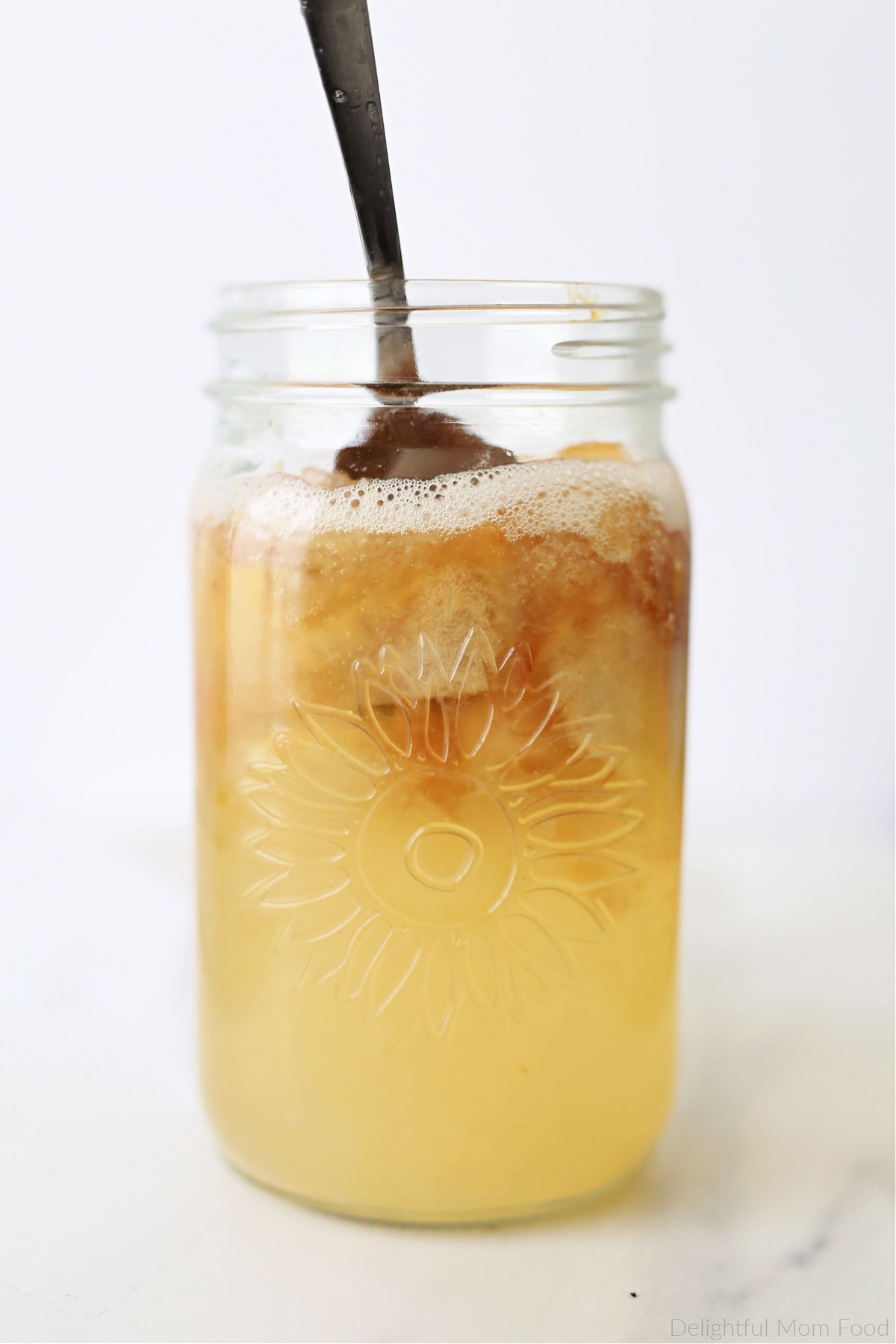
When organic apple cider vinegar is unpasteurized it contains the "mother" which is what makes it have a cloudy appearance. The mother is completely harmless and contains healthy living nutrients and bacteria. So if you are using cider vinegar for its health benefits, make sure it contains the mother and is unpasteurized.
How to Make Apple Cider Vinegar from Scratch
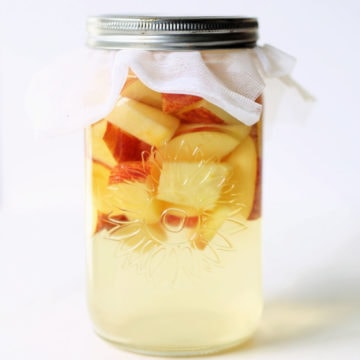
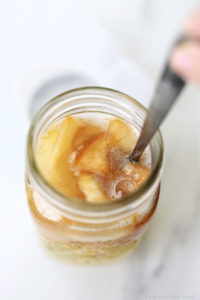
1Add the apples or scraps to the jar and fill with water, leaving room at the top so you can stir it each day. Add the maple syrup and mix together.
2Cover the jar with the cheesecloth. Fasten closed with a rubber band or mason jar rim, so air flows in but the mesh covering prevents bugs from getting in.
3Place the jar in a warm, dark place for about 3-4 weeks. During this time make sure the apples are submerged in water the entire time. They will start to float up, so make sure to push them down everyday.
4It will start to thicken and you need to stir it occasionally and make sure the apples are fully submerged each day otherwise they will mold on the top above the water. If it molds, it is no good. When you stir, bubbles will start to form and it will become cloudy with scum. After the first 3 weeks the apples will be soft and not float as much.
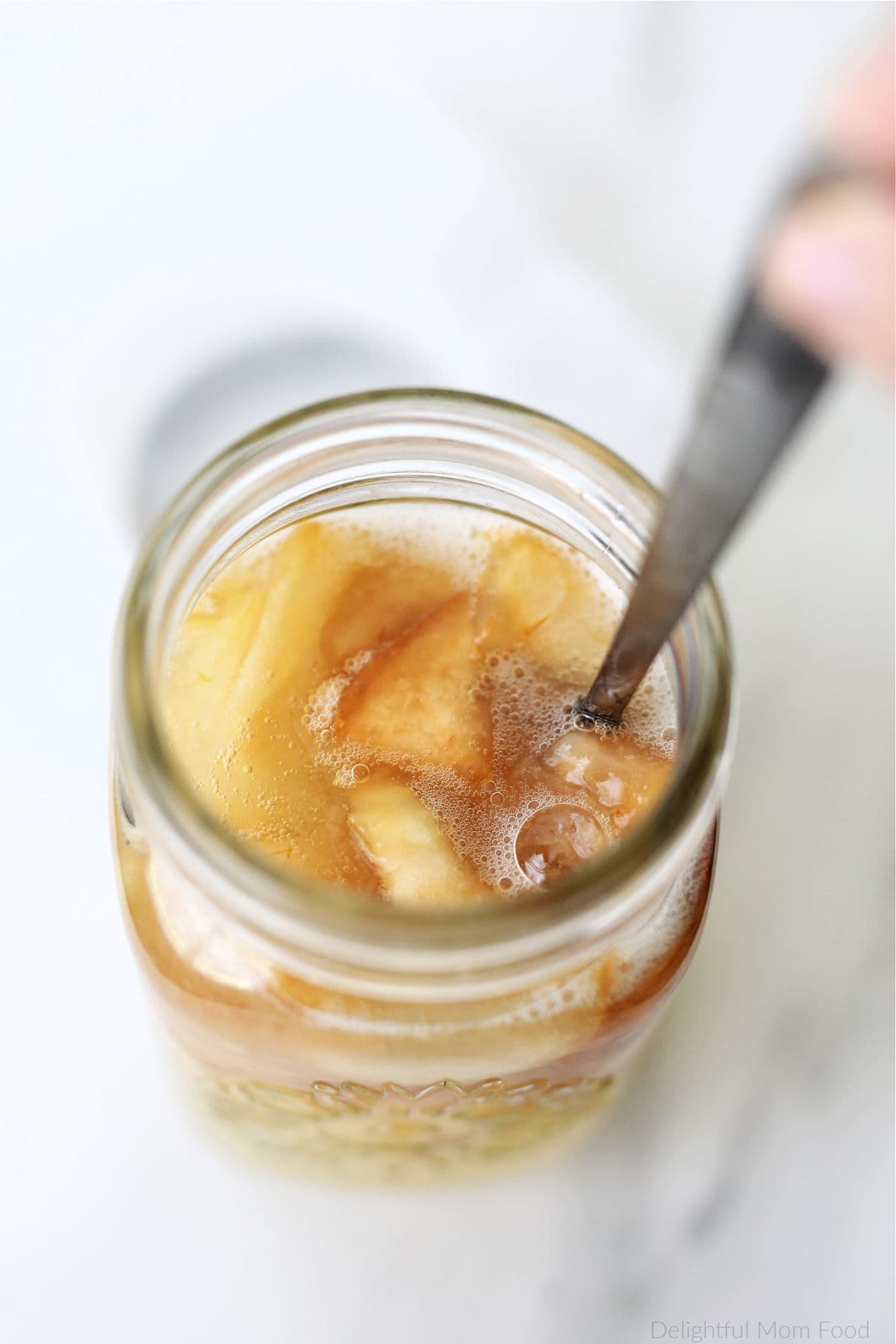
5After 3-4 weeks, strain out the apple pieces.
6Cover again with the cheesecloth and let the liquid set in the jar in the same spot for another 3-4 weeks. This is the stage it turns to vinegar.
7Taste the vinegar and if it is strong enough it is ready and now you have apple cider to vinegar! Store the vinegar in a glass container.
As always, be sure to check out the full recipe details in the recipe card below.
Expert Tips
- Keep the apples under the water. When the apples set in water, it can mold, or at least it did it for me the first time I tried to turn apple cider to vinegar. They will start to rise to the top, so stir it frequently, at least once or twice per day. I just leave mine in the kitchen and give it a good stir in the morning while making breakfast and in the evening while prepping dinner.
- Expect a beer smell first. For the first couple of weeks as it sits out it will start to have a yeast smell, like a beer or hard apple cider. Strain it and let it set for the next phase, which is where it turns to vinegar.
- Know when it is done. The process is similar to if you have wine that sat out too long. You know wine is bad when it tastes like vinegar. You know your homemade apple cider vinegar is good when it tastes like vinegar!
- If it molds, it is no good. Start over rather than trying to skim it.
- Always dilute it to drink. ACV is highly acid. Use 1 tablespoon to 8 ounces of water. Drinking it straight can damage tooth enamel or harm tissue in the throat and mouth.
- Store it in glass, where it keeps for about 2 years. Then put it to work in detox water.
Benefits and Uses of ACV with the Mother
Benefits of apple cider vinegar bacteria are vast, with incredible healing properties both internal and external. One of my favorites being that drinking apple cider vinegar to help shed weight is a real thing and you can read about apple cider vinegar for weight loss here. ACV alkalizes the body, unlike other vinegars, when consumed and during the digestion process makes the body alkaline which helps to ward off sickness and disease. Sickness and disease can not grow in an alkaline environment.
Here are a few more enticing benefits of apple cider vinegar:
- Eases digestion and adds healthy bacteria for proper gut health
- Aids to prevent the flu
- Ease nausea and heartburn
- Weight loss and fat breakdown
- Natural detox for the body by supporting healthy kidney, bladder and liver function
- Reduces acne
- Smoothes wrinkles
- Reduces inflammation
- Balances pH levels in the body
- Alleviates allergy symptoms
- Antifungal, antibacterial and antiviral
- Fights Candida
[source] Nutritionally the unpasteurized mother of vinegar includes iron, potassium, enzymes, magnesium, malic acid, acetic acid, calcium, pectin, ash, trace minerals, chlorine, copper, fluorine, phosphorous, silicon, sodium, vitamin A, vitamin B1, vitamin B2, vitamin B6, vitamin C, vitamin E and vitamin P.
Uses: Make ACV and use it for bone strengthening, athletes food, nosebleeds, external itching, sore throat, weight loss and fat reduction, diarrhea, diabetes, blood pressure, leg cramps, hay fever, heartburn, headaches, cholesterol, candida, nail fungus, head lice, ear infections, sinus congestion, gallstones, natural all-purpose house cleaner, the list goes on and on and on!
Apple Cider Vinegar FAQs
Yes, apple cider to vinegar will occur after the second fermenting process. It takes about 6-10 weeks with this method.
Mix one part apple cider vinegar and three parts water is traditional, but if drinking I suggest 1 tablespoon to 4-8 ounces of water to protect teeth enamel.
When stored properly in a glass container it will last 2 years.
Yes, good bacteria, which is what we want to see in the mother and the cloudy result.
The apples floated above the water line. They have to stay fully submerged, so stir once or twice a day and push them back under. If it molds, it is no good and you need to start over.
Yes. Cores and peels from making pies or crisps work just as well as chopped apples, which is what makes this such a good way to use up organic apples.
More Apple Cider Vinegar Recipes


If you make this homemade apple cider vinegar recipe from Delightful Mom Food I would love to see your creations and share it! Follow along with me on Instagram, Pinterest, Facebook, YouTube and Twitter for a feature and more recipe inspiration! And don't forget to leave a comment below!
Recipe adapted from Going Zero Waste and The Alternative Daily.
How To Make Apple Cider Vinegar (ACV)
Would you like to save this?
Plus get latest recipes and emails.
Equipment
- large jar with an open mouth
- cheesecloth or mesh bag
- rubberband or mason jar rim for a mason jar
Ingredients
- 2 cups organic apples sweet ones such as honecrisp or fuji
- 1 tablespoon maple syrup or you can use honey
- 3 cups filtered water

Instructions
- Add the apples or scraps to the jar and fill with water, leaving room at the top so you can stir it each day. Add the maple syrup and mix together.

- Cover the jar with the cheesecloth. Fasten closed with a rubberband or mason jar rim, leaving the top exposed.
- Place the jar in a warm, dark place for about 3-4 weeks.
- It will start to thicken and you need to stir it occationally and make sure the apples are fully submerged each day otherwise they will mold on the top above the water. When you stir, bubbles will start to form and it will become cloudy with scum.
- After 3-4 weeks, strain out the apple pieces.
- Cover again with the cheesecloth and let the liquid set in the jar in the same spot for another 3-4 weeks. This is the stage it turns to vinegar.
- Taste the vinegar and if it is strong enough it is ready and now you have apple cider to vinegar! Store the vinegar in a glass container.

Notes
- When the apples set in water, it can mold, or at least it did it for me the first time I tried to turn apple cider to vinegar. Make sure the apples are submerged under water completely. They will start to rise to the top, so stir it frequently, at least once or twice per day. I just leave mine in the kitchen and give it a good stir in the morning while making breakfast and in the evening while prepping dinner.
- If the top has mold the mixture is no longer good, so make sure they stay under water. After about 3 weeks the apples will soften and not float as much.
- It ferments in two steps. For the first couple of weeks when you make acv, as it sits out it will start to have a yeast smell, like a beer or hard apple cider. Strain it and let it set for the next phase which is where it turns to vinegar. The process is similar to if you have wine that sat out too long. You know wine is bad when it tastes like vinegar. You know your homemade apple cider vinegar is good when it tastes like vinegar🤣!




Leave a Reply